
Blog
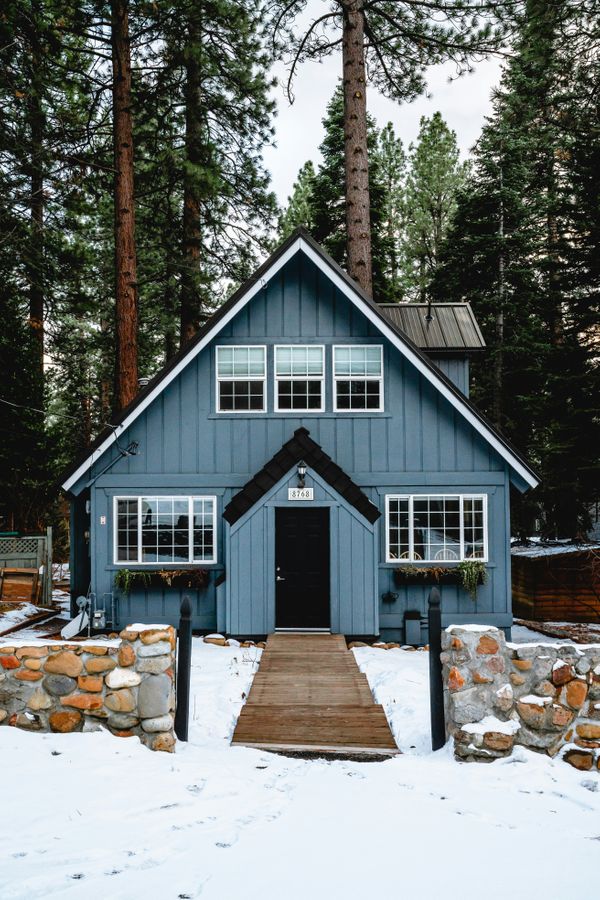
Why a Rough Estimate Is Not Enough for a Remodel or Custom Home
When homeowners start planning a remodel, addition, ADU, or custom home, one of the first questions they ask is:
Can you give me a rough estimate?
It is a fair question.
Before spending time and money on design, planning, selections, and construction conversations, homeowners want to know whether the project is even realistic.
But here is the problem: a rough estimate is not a real project budget.
A rough estimate can be a helpful starting point, but it should not be the number a homeowner uses to make major decisions. Too many important details are still unknown.
At On Point Construction Services, we believe homeowners deserve a clearer way to understand cost before construction begins.
Why Rough Estimates Can Be Misleading
A rough estimate is usually based on limited information.
It may be based on square footage, past project experience, a general description, or a quick site conversation. That can help create a starting range, but it does not fully account for the specific conditions, choices, and requirements of your project.
A rough estimate may not include:
- · Final scope
- · Finished plans
- · Engineering needs
- · Material selections
- · Cabinetry details
- · Plumbing and electrical changes
- · HVAC requirements
- · Structural work
- · Permitting requirements
- · Site conditions
- · Utility upgrades
- · Trade partner pricing
- · Finish level expectations
- · Client-specific priorities
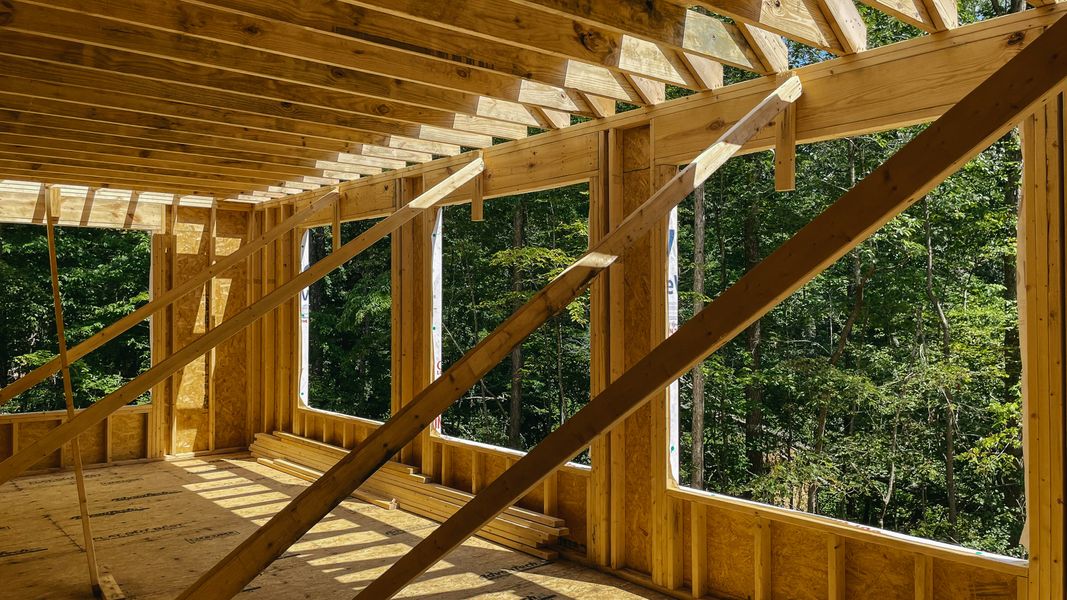
What to Know Before Building an ADU or DADU in Snohomish County
Accessory dwelling units are becoming a popular way for homeowners to create more flexibility on their property.
An ADU or DADU can be used for rental income, multigenerational living, guest space, a private home office, aging parents, adult children, or long-term property value. But before you start thinking about finishes and floor plans, there are several important planning questions to answer.
Building an ADU is not just a small house project.
It involves zoning, site conditions, utilities, access, design, permitting, budget planning, and construction coordination. The earlier those details are understood, the smoother the process can be.
At On Point Construction Services, we help homeowners plan ADUs and DADUs with a focus on clarity before construction.
What Is the Difference Between an ADU and a DADU?
An ADU, or accessory dwelling unit, is a secondary living space on the same property as a primary home.
A DADU, or detached accessory dwelling unit, is a separate structure. It may be a backyard cottage, guest house, detached rental unit, or standalone living space.
An ADU may be attached to the main home, built within an existing structure, created through a garage conversion, or added as part of a larger remodel. A DADU is separate from the main house and usually requires more site planning.
more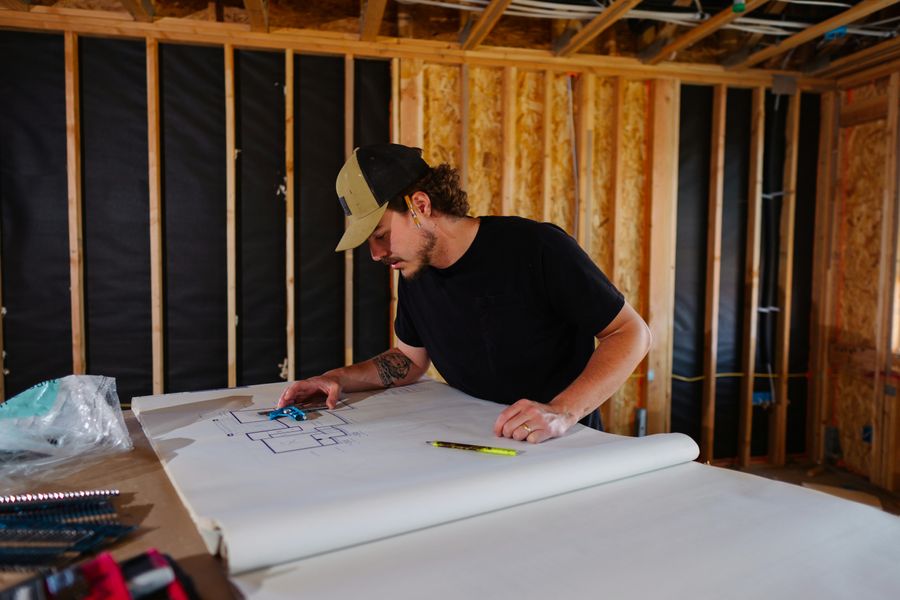
How Much Does a Home Addition Cost in Snohomish County?
A home addition can be one of the best ways to create more space without leaving the home or neighborhood you love. Whether you are adding a primary suite, expanding the kitchen, building a second story, creating a larger family room, or adding flexible space for multigenerational living, the first question is usually the same:
How much will this cost?
The honest answer is: it depends.
That may not be the answer homeowners want to hear, but it is the truthful place to start. Home additions are not one-size-fits-all projects. The final cost depends on the size of the addition, the existing home, site conditions, design complexity, materials, permitting, utilities, structural needs, and the level of finish.
At On Point Construction Services, we believe homeowners deserve more than a rough guess. They deserve a clearer planning process before construction begins.
more